How To Unclog A Toilet Safely And Easily
A clogged toilet is one of the most common home problems. It can happen in any house, old or new. One moment everything is fine. The next moment the water rises and panic sets in. Many people think unclogging a toilet is hard or messy. The truth is that most clogs can be fixed with simple steps and basic items found at home.
This guide will help you understand how to unclog a toilet the right way. You will learn what causes toilet clogs, how to unclog a toilet with a plunger, how to unclog a toilet without a plunger, and what to do when nothing seems to work. Everything is explained in clear and simple language so anyone can follow along.
Why Toilets Get Clogged
Before learning how to unclog a toilet, it helps to know why clogs happen. Toilets are designed to handle human waste and toilet paper only. When other items go down the drain, they can block the pipes.
Common causes of toilet clogs include too much toilet paper at once, flushing wipes even if they say flushable, paper towels or tissues, feminine hygiene products, cotton swabs or dental floss, small toys or objects, and buildup inside old pipes.
Low flow toilets can also clog more easily. Hard water can leave mineral buildup inside pipes. Over time, this buildup narrows the space where water flows, making clogs more likely.
Signs Your Toilet Is About To Clog
Sometimes a toilet gives warning signs before it fully clogs. Knowing these signs can help you act fast and avoid overflow.
Water rising higher than normal after flushing is one sign. Slow draining water is another. You may hear gurgling sounds from the toilet or nearby drains. The toilet may need more than one flush to clear waste. If you notice any of these signs, stop flushing right away.
First Thing To Do When A Toilet Clogs
When you see water rising in the bowl, do not flush again. Flushing adds more water and can cause overflow. Instead, remove the toilet tank lid and press the flapper down to stop water from flowing into the bowl. This gives you time to fix the problem without making a mess.
Put on rubber gloves if you have them. Keep towels nearby just in case. Staying calm makes the job much easier.
How To Unclog Toilet With A Plunger
A plunger is the most common and effective tool for clearing a toilet clog. If you have one, this should be your first method.
Make sure the plunger is made for toilets, not sinks. A toilet plunger has a soft rubber flap at the bottom that fits into the drain hole.
Place the plunger into the bowl and position it over the drain. The rubber flap should seal the hole completely. Push down gently at first to release air. Then push and pull with steady pressure. Do this for about twenty seconds.
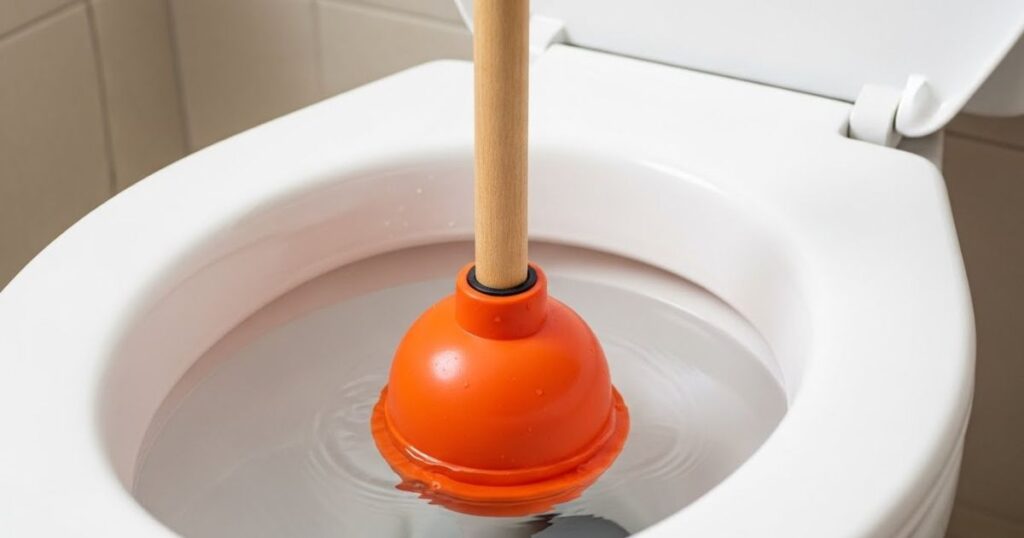
Lift the plunger and see if the water drains. If not, repeat the process a few times. Most clogs clear after several attempts.
Once the water drains, flush once to make sure the toilet works normally.
How To Unclog Toilet Without Plunger Using Hot Water
If you do not have a plunger, hot water can help break up soft clogs.
Heat a pot of water on the stove. The water should be hot but not boiling. Boiling water can crack the porcelain bowl. Carefully pour the hot water into the toilet from waist height. This adds pressure and helps loosen the clog.
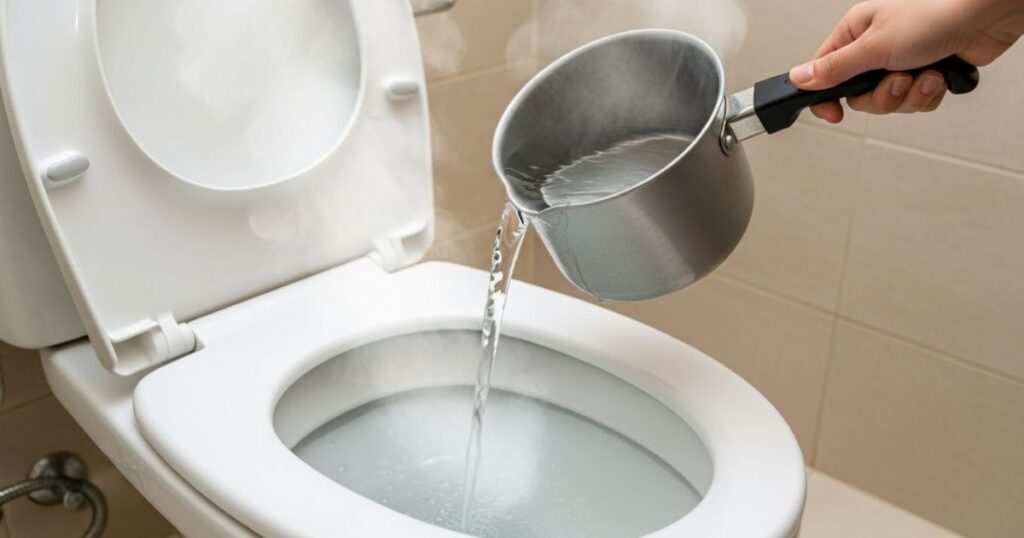
Wait ten to fifteen minutes. Then try flushing once. This method works well for clogs caused by toilet paper or waste.
Unclog Toilet Without Plunger Using Dish Soap
Dish soap is another simple method that works surprisingly well.
Pour about half a cup of liquid dish soap into the toilet bowl. Let it sit for ten minutes. The soap coats the clog and helps it slide through the pipe.
After waiting, pour hot water into the bowl slowly. Give it time to work. Flush once to check if the clog is gone.
How To Unclog Toilet Without Plunger Using Baking Soda And Vinegar
This method uses a natural reaction to break apart clogs.
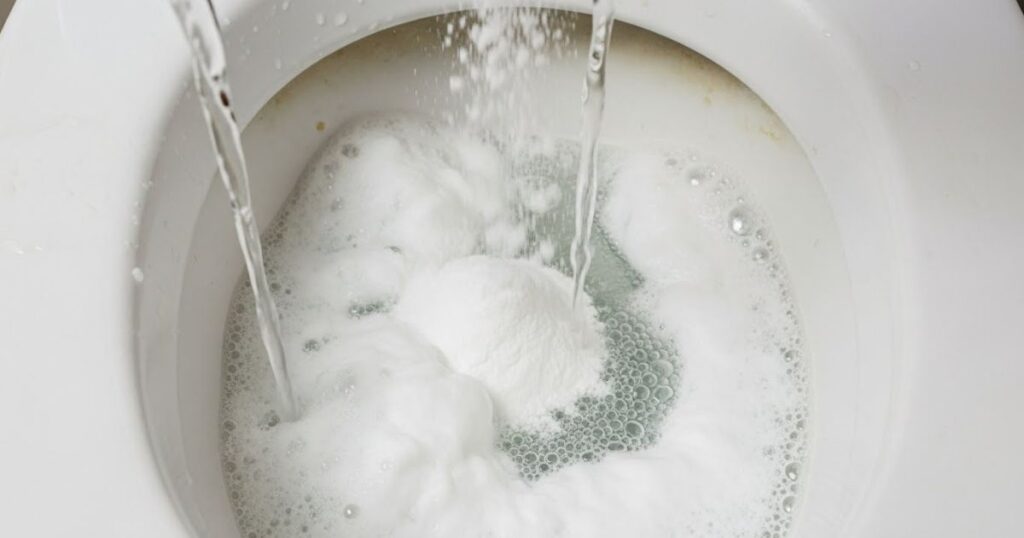
Pour one cup of baking soda into the toilet bowl. Follow with two cups of vinegar. The mixture will fizz and bubble. Let it sit for at least thirty minutes.
After waiting, add hot water to the bowl. Flush once to test the toilet. This method is safe for pipes and works best on light clogs.
Using A Toilet Brush To Clear A Clog
A toilet brush can help push or pull out a clog near the drain opening.
Wrap the brush head in a plastic bag to keep it clean. Insert it into the drain hole and move it around gently. This can break up the blockage enough for water to flow again.
Flush once after removing the brush to check the result.
Using A Wire Hanger Carefully
A wire hanger can help reach deeper clogs, but it must be used with care.
Straighten the hanger and wrap one end with cloth or tape to protect the bowl. Gently insert the wrapped end into the drain. Push and twist slowly to break apart the clog.
Do not scratch the porcelain. Flush once to see if the water drains.
What Not To Flush Down The Toilet
Preventing clogs is easier than fixing them. Knowing what not to flush is key.
Never flush wipes even if they say flushable. Do not flush paper towels, napkins, or tissues. Feminine products should always go in the trash. Cotton balls and swabs do not break down. Cat litter and food waste should never be flushed.
Teaching everyone in the home these rules can prevent many toilet problems.
How To Prevent Future Toilet Clogs
Use less toilet paper per flush. Flush more than once if needed. Clean your toilet regularly to prevent buildup. Avoid flushing anything other than waste and toilet paper.
If your home has older pipes, consider having them inspected. Replacing worn parts can improve flow and reduce clogs.
When To Use A Toilet Auger
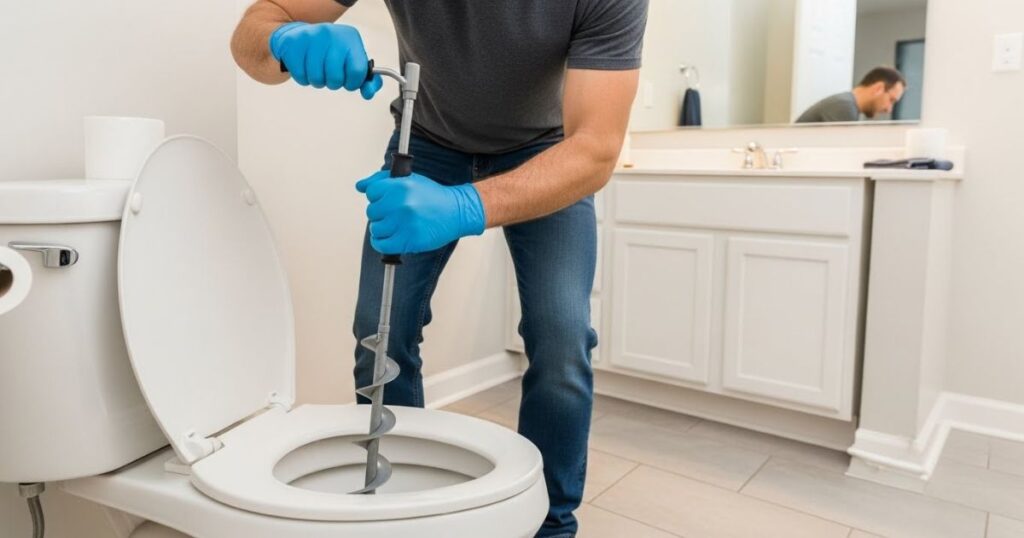
A toilet auger is a tool designed to reach deep clogs inside the pipe.
Insert the auger into the drain and turn the handle slowly. This breaks apart or pulls out the clog. Toilet augers are safe for porcelain and more effective than hangers.
This tool is a good investment for homes that deal with frequent clogs.
When To Call A Plumber
Sometimes a clog is too deep or too serious to fix at home.
Call a plumber if the toilet keeps clogging often, water backs up into other drains, you smell sewage odors, or none of the methods work. These signs can point to a bigger issue in the sewer line.
A professional can fix the problem safely and prevent damage to your home.
Common Mistakes To Avoid
Do not use chemical drain cleaners. They can damage pipes and are dangerous to handle. Do not flush again and again when the toilet is clogged. This causes overflow. Do not mix chemicals together.
Avoid forcing objects down the drain. This can make the clog worse.
Toilet Clogs In Homes With Kids
Homes with children often face extra toilet issues. Small toys can fall into the bowl. Kids may use too much paper.
Keep the toilet lid closed when not in use. Teach kids what can and cannot be flushed. Use child-friendly signs if needed.
Final Thoughts On Unclogging A Toilet
Learning how to unclog a toilet is a useful home skill. It saves time, money, and stress. Most clogs can be fixed with simple tools and patience. Knowing how to unclog a toilet without a plunger is helpful when tools are not available.
By understanding the causes of clogs and following safe methods, you can keep your toilet working well. With the right steps, a clogged toilet becomes a small problem, not a disaster.
Frequently Asked Questions
What is the fastest way to unclog a toilet
Using a plunger is usually the fastest way. If you do not have one, hot water and dish soap often work within minutes.
Can I unclog a toilet without a plunger
Yes. You can unclog a toilet without a plunger by using hot water, dish soap, baking soda and vinegar, or a toilet brush.
Is it safe to use boiling water in a toilet
No. Boiling water can crack the porcelain. Always use hot water, not boiling.
Why does my toilet keep clogging
Frequent clogs can be caused by too much toilet paper, flushing items that should not be flushed, or problems with old pipes.
When should I call a plumber
Call a plumber if clogs happen often, water backs up into other drains, or none of the home methods work.